
October 15, 2026 · 2 min read
Not All Carbs Are the Enemy: How to Identify the Good Ones
Discover the difference between good and bad carbs for a healthier diet.
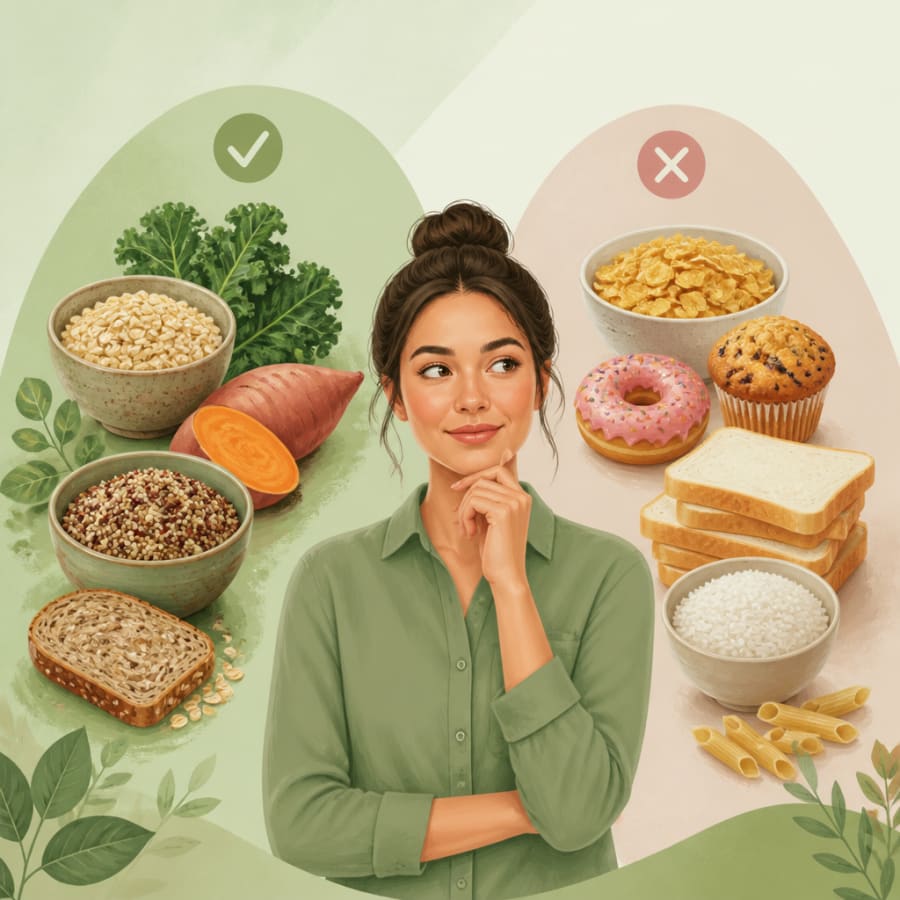
Carbohydrates often get a bad rap, but they are a crucial part of a balanced diet. According to the Dietary Guidelines for Americans, carbs should make up 45-65% of your daily caloric intake. The key is to focus on quality rather than quantity.
Simple carbohydrates, found in sugary snacks and beverages, can lead to spikes in blood sugar and weight gain. A study published in the American Journal of Clinical Nutrition found that high sugar intake is linked to obesity, with a 10% increase in added sugar correlating to a 30% increase in obesity rates.
On the other hand, complex carbohydrates, such as whole grains, fruits, and vegetables, provide essential nutrients and fiber. Research shows that diets rich in these foods can lower the risk of chronic diseases, including heart disease and diabetes. For example, a study in the Journal of Nutrition indicated that whole grain consumption is associated with a 25% reduced risk of cardiovascular disease.
To make better carb choices, prioritize whole foods over processed options. Aim to fill half your plate with fruits and vegetables, and choose whole grains like brown rice or quinoa instead of white rice or bread. This simple switch can significantly enhance your health and energy levels.
Share:
More notes

Hydration and Workout Performance: The Common Mistake You Make
October 25, 2026

Intermittent Fasting: What the Evidence Actually Shows
October 24, 2026
Boost Your Gut Health: Simple Diet Changes That Work
October 23, 2026

How Much Protein You Actually Need — And Where to Get It
October 22, 2026

Why Yo-Yo Dieting Backfires: The Science Behind Weight Cycling
October 21, 2026

Insulin Resistance: Early Warning Signs You Can't Afford to Ignore
October 20, 2026

The Heart-Healthy Fats You Need for Optimal Wellness
October 19, 2026

HIIT vs. Steady-State Cardio: Which Burns More Fat?
October 13, 2026
We use essential cookies to make the app work, and analytics cookies (Google Analytics) only if you accept them. Cookie policy