
September 6, 2026 · 2 min read
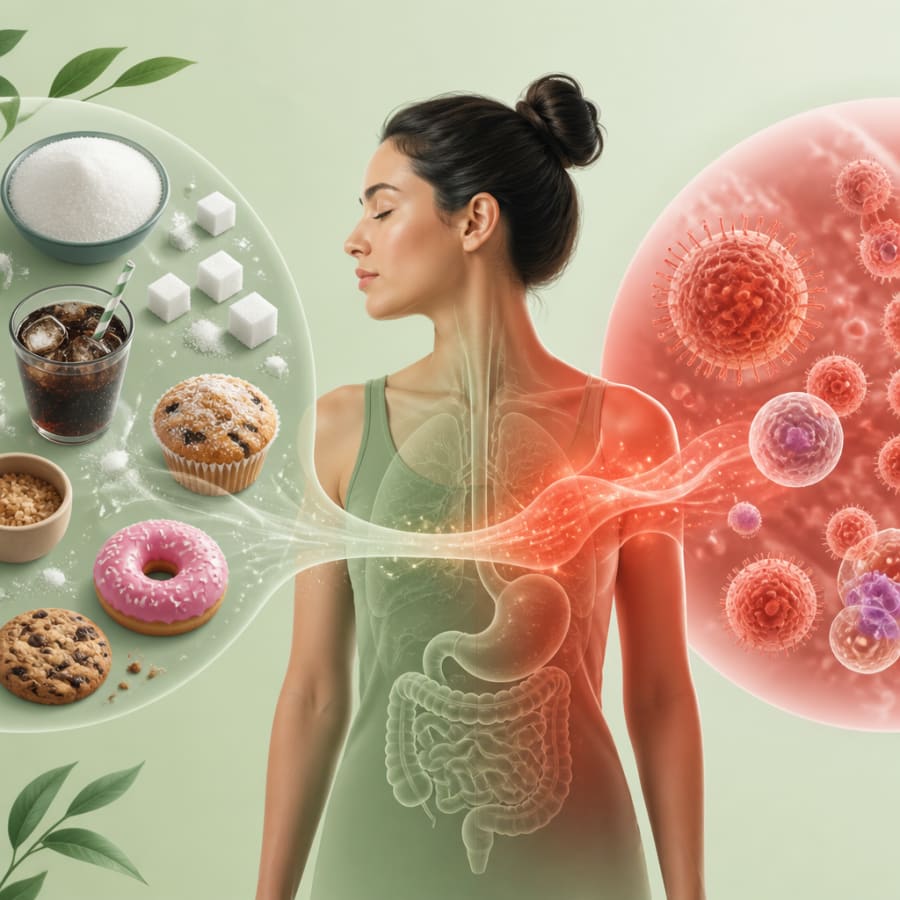
The Hidden Link Between Added Sugar and Chronic Inflammation
Discover how added sugar fuels chronic inflammation and affects your health.
Chronic inflammation is often overlooked in discussions about health, yet it plays a significant role in various diseases, including heart disease and diabetes. Recent studies have shown that a diet high in added sugars can trigger inflammatory responses in the body, leading to long-term health issues. For instance, a study published in the Journal of the American College of Cardiology found that individuals consuming more than 25% of their daily calories from added sugars had a 2.5 times higher risk of developing heart disease.
One of the main culprits is fructose, a type of sugar commonly found in processed foods and sugary beverages. Unlike glucose, fructose is metabolized primarily by the liver, where it can lead to increased fat production and inflammation. In fact, research indicates that high fructose intake is linked to elevated levels of inflammatory markers like C-reactive protein (CRP), which is a key indicator of inflammation in the body.
Moreover, the average American consumes around 17 teaspoons of added sugars daily, far exceeding the recommended limit of 6 teaspoons for women and 9 for men. This excessive intake not only contributes to weight gain but also exacerbates the inflammatory processes associated with obesity and metabolic syndrome. Reducing added sugar can therefore be a critical step in managing inflammation and improving overall health.
To combat chronic inflammation, consider reducing your intake of added sugars. Start by reading food labels and choosing whole, unprocessed foods whenever possible. Gradually replace sugary snacks and drinks with healthier options like fruits, nuts, and water. Every small change contributes to a healthier you.
Share:
More notes

Cholesterol Myths vs. Science: What You Really Need to Know
September 29, 2026

Simple Steps to Start Your Anti-Inflammatory Diet Today
September 23, 2026

Hidden Sodium: Everyday Foods Surprising Your Taste Buds
September 22, 2026

Unlocking the Perfect Breakfast: What Science Really Says
September 21, 2026

Artificial Food Dyes: Understanding the Real Concerns
September 20, 2026

Boost Your Gut Health with Fermented Foods: Evidence Inside
September 19, 2026

How Poor Sleep Quietly Sabotages Your Metabolism
September 18, 2026

Vitamin D Deficiency: The Hidden Gap in Adult Health
September 17, 2026
We use essential cookies to make the app work, and analytics cookies (Google Analytics) only if you accept them. Cookie policy