
September 15, 2026 · 2 min read
Intermittent Fasting: The Science Behind Its Benefits
Discover what research says about intermittent fasting's effects on health.
Intermittent fasting (IF) involves cycling between periods of eating and fasting, and studies show it can aid weight loss and improve metabolic health. Research published in the New England Journal of Medicine found that IF can lead to a weight loss of 3-8% over 3-24 weeks, comparable to traditional calorie-restricted diets.
Furthermore, IF may enhance insulin sensitivity, thereby reducing the risk of type 2 diabetes. A study in the journal Cell Metabolism indicated that participants who followed an alternate day fasting regimen saw a 30% reduction in insulin levels after 8 weeks, highlighting its potential for improving blood sugar control.
Additionally, intermittent fasting has been linked to various health benefits, including reduced inflammation and improved heart health. A review in the Journal of the American College of Cardiology noted that fasting could lower blood pressure and cholesterol levels, which are significant risk factors for cardiovascular disease.
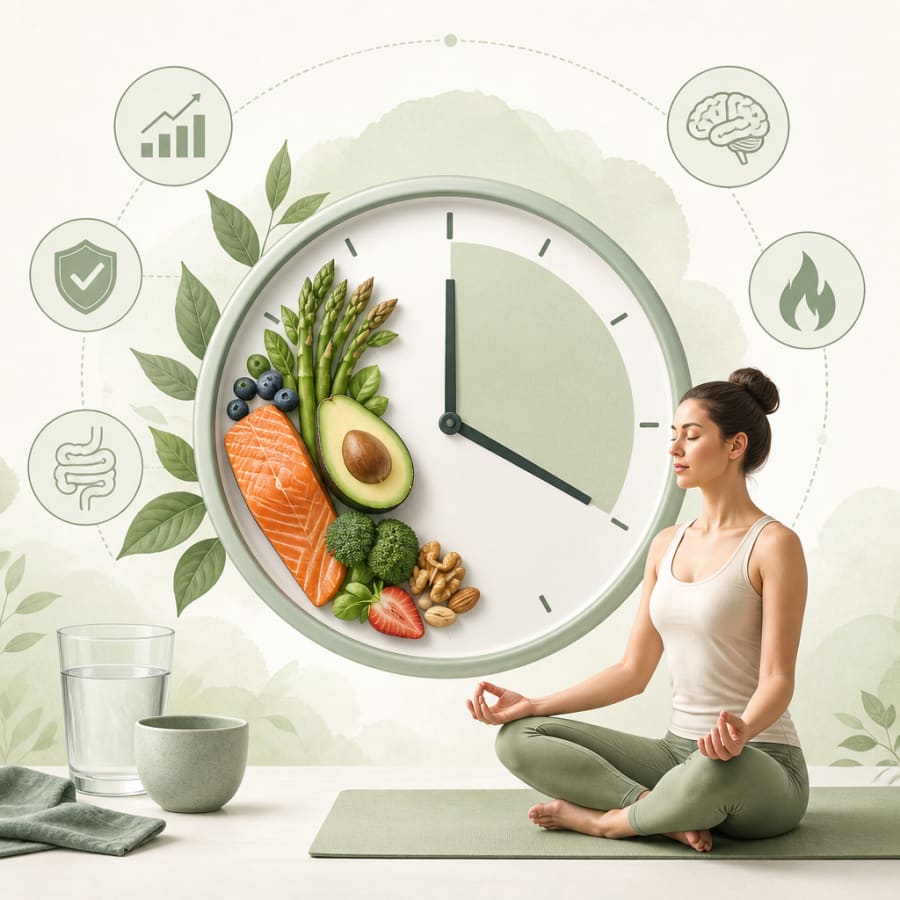
To get started with intermittent fasting, consider a simple approach like the 16/8 method, where you fast for 16 hours and eat during an 8-hour window. This can help you ease into fasting while still enjoying your meals. Remember to consult with a healthcare provider before making significant changes to your diet.
Share:
More notes

Cholesterol Myths vs. Science: What You Really Need to Know
September 29, 2026

Simple Steps to Start Your Anti-Inflammatory Diet Today
September 23, 2026

Hidden Sodium: Everyday Foods Surprising Your Taste Buds
September 22, 2026

Unlocking the Perfect Breakfast: What Science Really Says
September 21, 2026

Artificial Food Dyes: Understanding the Real Concerns
September 20, 2026

Boost Your Gut Health with Fermented Foods: Evidence Inside
September 19, 2026

How Poor Sleep Quietly Sabotages Your Metabolism
September 18, 2026

Vitamin D Deficiency: The Hidden Gap in Adult Health
September 17, 2026
We use essential cookies to make the app work, and analytics cookies (Google Analytics) only if you accept them. Cookie policy