
September 18, 2026 · 2 min read
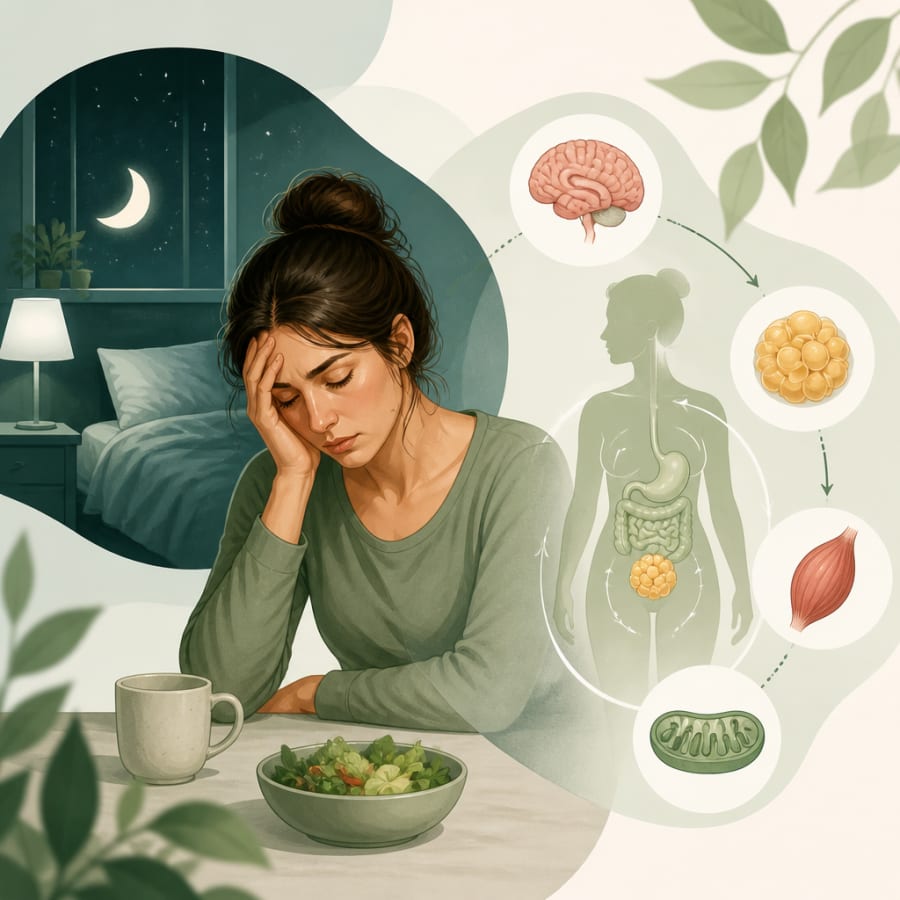
How Poor Sleep Quietly Sabotages Your Metabolism
Struggling to lose weight? Poor sleep might be the hidden culprit.
Sleep deprivation can significantly impact your metabolism. A study published in the journal "Obesity" found that individuals who slept less than six hours per night experienced a 30% decrease in their metabolic rate compared to those who slept seven to nine hours. This slowdown can lead to weight gain over time.
When you don't get enough sleep, hormonal imbalances occur. Ghrelin, the hormone that signals hunger, increases, while leptin, which tells you when to stop eating, decreases. This imbalance can lead to increased appetite and food intake, making it easier to gain weight.
Additionally, poor sleep affects insulin sensitivity. According to research from the American Journal of Clinical Nutrition, reduced sleep can lead to a 25% decrease in insulin sensitivity, which can result in higher blood sugar levels and increased fat storage. This is particularly concerning for those at risk of type 2 diabetes.
To mitigate these effects, prioritize a consistent sleep schedule. Aim for 7-9 hours of quality sleep each night. Create a relaxing bedtime routine and limit screen time before bed to improve your sleep quality and support your metabolic health.
Share:
More notes

Cholesterol Myths vs. Science: What You Really Need to Know
September 29, 2026

Simple Steps to Start Your Anti-Inflammatory Diet Today
September 23, 2026

Hidden Sodium: Everyday Foods Surprising Your Taste Buds
September 22, 2026

Unlocking the Perfect Breakfast: What Science Really Says
September 21, 2026

Artificial Food Dyes: Understanding the Real Concerns
September 20, 2026

Boost Your Gut Health with Fermented Foods: Evidence Inside
September 19, 2026

Vitamin D Deficiency: The Hidden Gap in Adult Health
September 17, 2026

Fiber: More Than Just a Digestive Aid — Unlock Its Full Benefits
September 16, 2026
We use essential cookies to make the app work, and analytics cookies (Google Analytics) only if you accept them. Cookie policy