
September 20, 2026 · 2 min read
Artificial Food Dyes: Understanding the Real Concerns
Are artificial food dyes harmful? Discover the facts and concerns surrounding these colorants.
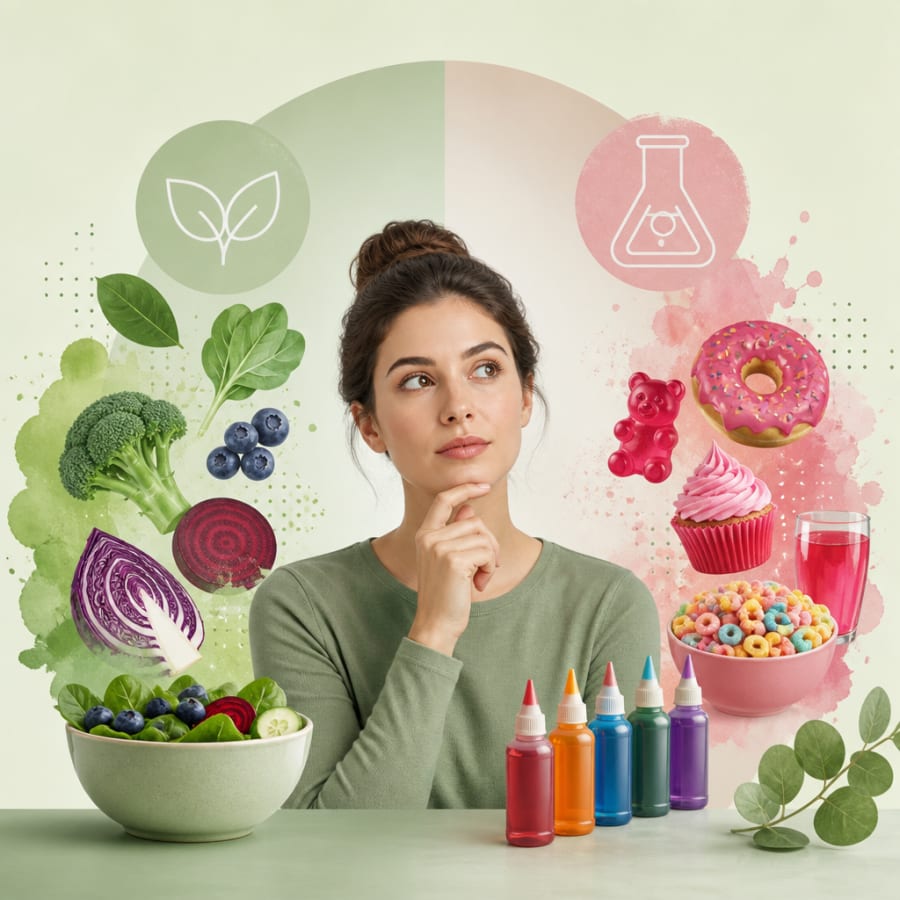
Artificial food dyes are commonly used in a variety of processed foods, from candies to beverages. The FDA has approved several dyes, such as Red 40 and Yellow 5, which are derived from petroleum products. However, studies have raised concerns about their potential links to hyperactivity in children. A significant study published in the journal 'The Lancet' in 2007 found that a mixture of artificial food colors and sodium benzoate increased hyperactive behavior in children aged 3 to 9, prompting further investigation.
Beyond hyperactivity, some studies suggest that certain artificial dyes may pose other health risks. For example, Yellow 5 has been associated with allergic reactions in sensitive individuals, leading to symptoms like hives and asthma. The Center for Science in the Public Interest (CSPI) has advocated for stricter regulations, citing these potential health effects and the need for better labeling on products containing artificial dyes.
Consumer awareness is rising, with many opting for natural alternatives. The market for natural food colorants has grown significantly, reflecting a shift in consumer preferences. According to a report by Grand View Research, the global natural food colorants market is projected to reach $2.3 billion by 2025, driven by increasing demand for healthier food options without synthetic additives.
If you’re concerned about artificial food dyes, consider reading ingredient labels carefully and opting for products that use natural colorants. Look for options labeled as “no artificial colors” or those that use beet juice, turmeric, or spirulina for color instead. Making informed choices can help you avoid potential health risks associated with these additives.
Share:
More notes

Cholesterol Myths vs. Science: What You Really Need to Know
September 29, 2026
Simple Steps to Start Your Anti-Inflammatory Diet Today
September 23, 2026

Hidden Sodium: Everyday Foods Surprising Your Taste Buds
September 22, 2026
Unlocking the Perfect Breakfast: What Science Really Says
September 21, 2026
Boost Your Gut Health with Fermented Foods: Evidence Inside
September 19, 2026

How Poor Sleep Quietly Sabotages Your Metabolism
September 18, 2026

Vitamin D Deficiency: The Hidden Gap in Adult Health
September 17, 2026
Fiber: More Than Just a Digestive Aid — Unlock Its Full Benefits
September 16, 2026
We use essential cookies to make the app work, and analytics cookies (Google Analytics) only if you accept them. Cookie policy