
October 2, 2026 · 2 min read
Understanding Glycemic Index: Impact on Energy and Weight Management
Discover how glycemic index affects your energy levels and weight control.
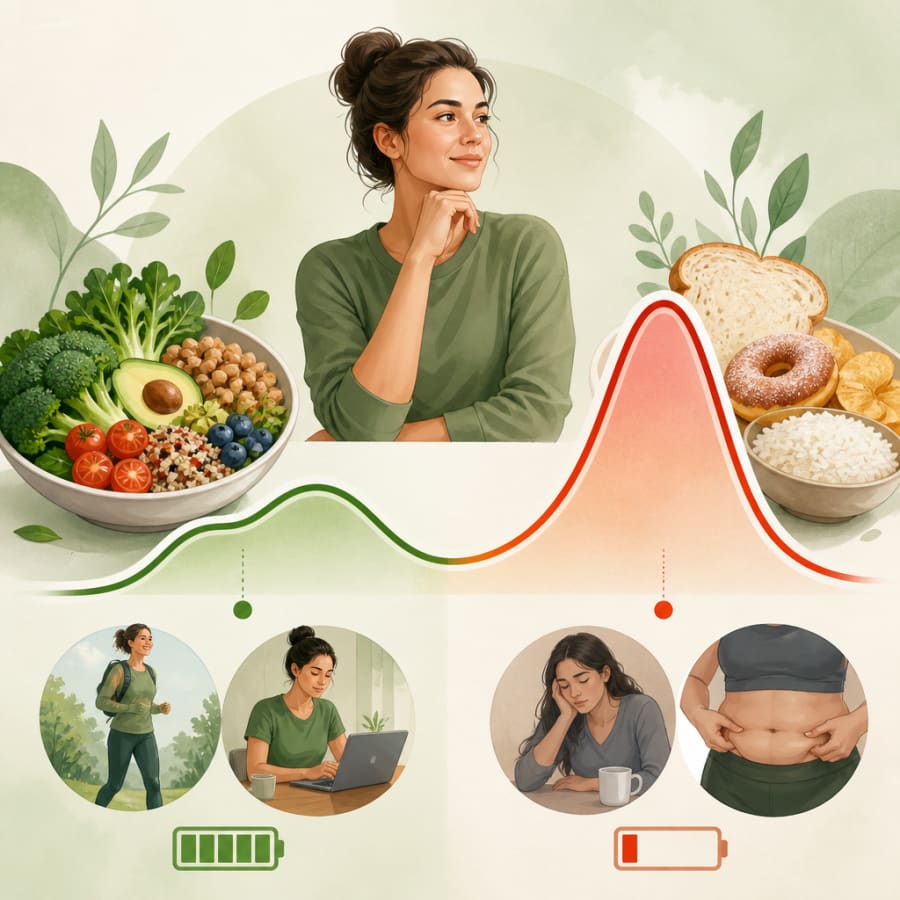
The glycemic index (GI) measures how quickly a carbohydrate-containing food raises blood glucose levels. Foods with a high GI, like white bread and sugary drinks, can spike blood sugar rapidly, leading to energy crashes. In contrast, low GI foods, such as whole grains and legumes, provide a more gradual release of glucose, which helps maintain steady energy levels throughout the day.
Research indicates that diets emphasizing low GI foods can aid in weight management. A study published in the American Journal of Clinical Nutrition found that participants consuming low GI diets lost 6-8% of their body weight over 6 months, compared to those eating high GI diets. This is significant because maintaining a healthy weight reduces the risk of chronic diseases like diabetes and heart disease.
Additionally, low GI foods can enhance feelings of fullness, helping prevent overeating. Foods like oats, nuts, and most fruits not only keep you satiated longer but also provide essential nutrients. In contrast, high GI foods may lead to increased hunger and cravings shortly after consumption, creating a cycle of energy spikes and crashes.
To incorporate the glycemic index into your diet, focus on replacing high GI foods with low GI alternatives. For instance, swap white rice for quinoa or choose whole grain bread over white bread. This simple shift can help stabilize your energy levels and support your weight management goals.
Share:
More notes

Hydration and Workout Performance: The Common Mistake You Make
October 25, 2026

Intermittent Fasting: What the Evidence Actually Shows
October 24, 2026

Boost Your Gut Health: Simple Diet Changes That Work
October 23, 2026

How Much Protein You Actually Need — And Where to Get It
October 22, 2026

Why Yo-Yo Dieting Backfires: The Science Behind Weight Cycling
October 21, 2026

Insulin Resistance: Early Warning Signs You Can't Afford to Ignore
October 20, 2026
The Heart-Healthy Fats You Need for Optimal Wellness
October 19, 2026

Not All Carbs Are the Enemy: How to Identify the Good Ones
October 15, 2026
We use essential cookies to make the app work, and analytics cookies (Google Analytics) only if you accept them. Cookie policy