
October 6, 2026 · 2 min read
Magnesium Deficiency: The Hidden Epidemic Affecting Your Health
Most people are unaware they're low on magnesium, impacting health. Learn why it matters.
Magnesium is essential for over 300 biochemical reactions in the body, yet studies show that nearly 50% of Americans don't get enough. According to the National Institutes of Health, the recommended daily allowance for adults is 400-420 mg for men and 310-320 mg for women, but many fall short, primarily due to poor dietary choices.
Low magnesium levels have been linked to various health issues, including muscle cramps, fatigue, and even anxiety. A study published in the journal 'Nutrients' found that individuals with magnesium deficiency were 50% more likely to experience symptoms of depression compared to those with adequate levels. This connection highlights the mineral's critical role in mental health.
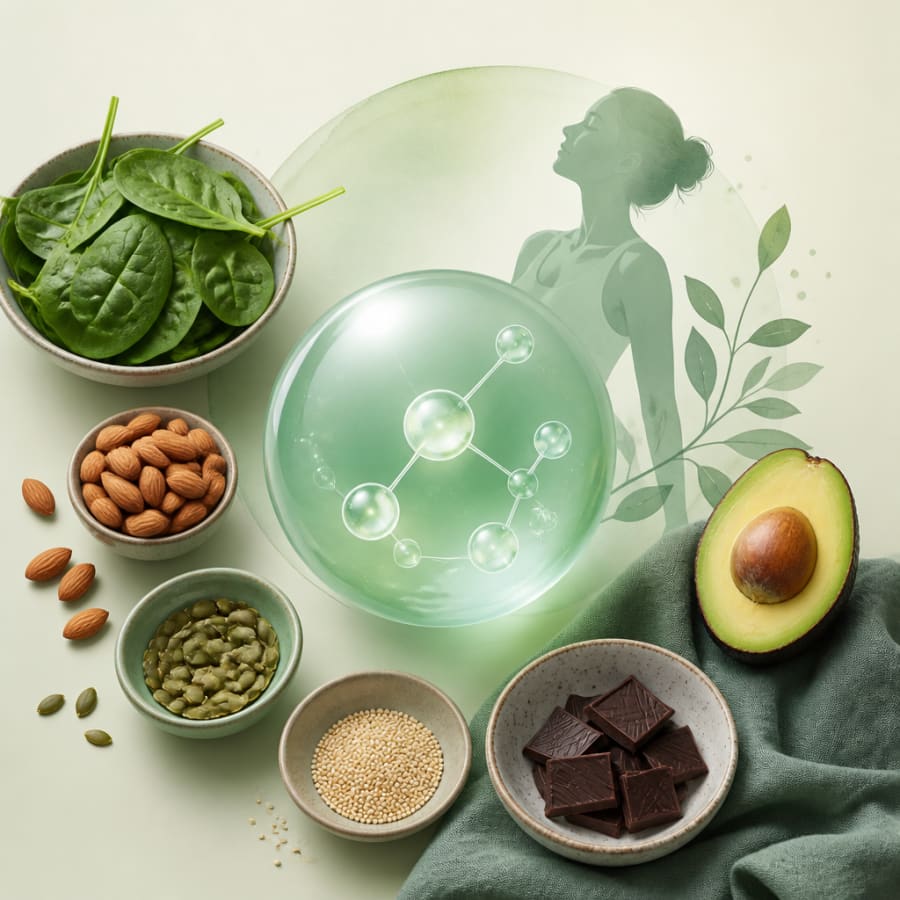
Food sources rich in magnesium include leafy greens, nuts, seeds, and whole grains. However, modern diets often lack these nutrient-dense foods, leading to increased deficiency rates. A survey indicated that only 30% of adults meet the recommended intake through diet alone, emphasizing the need for awareness and dietary adjustments.
To boost your magnesium intake, consider incorporating foods such as spinach, almonds, and black beans into your meals. Alternatively, magnesium supplements can be an effective way to fill the gap, but consult a healthcare professional before starting any supplementation.
Share:
More notes

Hydration and Workout Performance: The Common Mistake You Make
October 25, 2026

Intermittent Fasting: What the Evidence Actually Shows
October 24, 2026

Boost Your Gut Health: Simple Diet Changes That Work
October 23, 2026

How Much Protein You Actually Need — And Where to Get It
October 22, 2026

Why Yo-Yo Dieting Backfires: The Science Behind Weight Cycling
October 21, 2026

Insulin Resistance: Early Warning Signs You Can't Afford to Ignore
October 20, 2026
The Heart-Healthy Fats You Need for Optimal Wellness
October 19, 2026

Not All Carbs Are the Enemy: How to Identify the Good Ones
October 15, 2026
We use essential cookies to make the app work, and analytics cookies (Google Analytics) only if you accept them. Cookie policy